
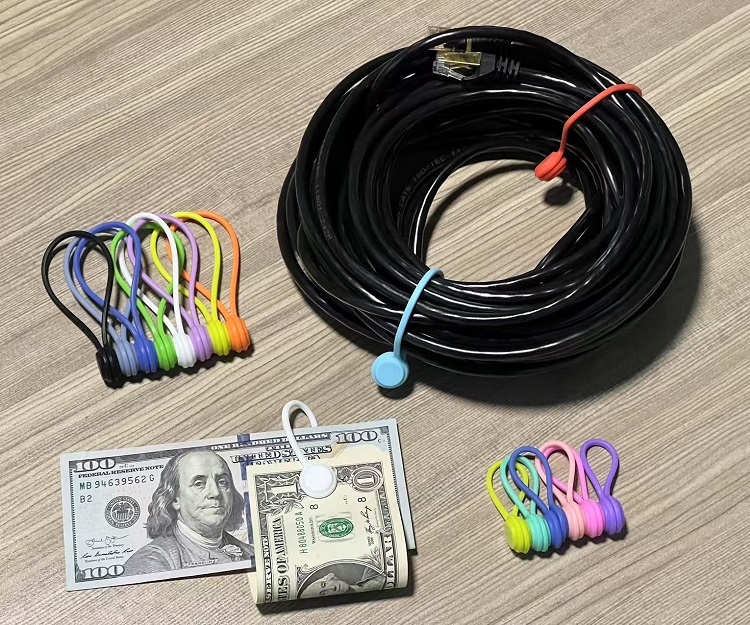
Magnetic cable ties offer several advantages over traditional plastic cable ties, particularly in specific use cases. Here’s how they compare:
Advantages of Magnetic Cable Ties
-
Reusable
- Unlike plastic zip ties, which are typically single-use, magnetic cable ties can be easily adjusted, removed, and reused multiple times.
-
Quick Installation and Removal
- Magnetic ties can be attached and detached swiftly without the need for cutting tools, making them ideal for frequent adjustments.
-
Non-Destructive
- Since magnetic ties don’t need to be cut for removal, they won’t damage cables or other materials during detachment.
-
Flexible and Adjustable
- Magnetic ties often offer more flexibility in tightening or loosening without compromising grip strength.
-
Strong Holding Power
- Some magnetic ties are designed with powerful magnets that can secure cables along metal surfaces like server racks, machinery, or shelving.
-
Improved Organization
- Magnetic ties can double as cable holders by attaching cables to metallic surfaces, helping keep workspaces tidy.
-
Durability
- Magnetic ties are often made from durable materials like silicone or rubber, providing better resistance to wear and tear compared to plastic ties.
Limitations of Magnetic Cable Ties
- Not Ideal for Non-Metal Surfaces: Magnetic ties excel in metal-based environments but lose some functionality in areas without suitable surfaces.
- Cost: Magnetic ties are generally more expensive than traditional plastic zip ties.
- Strength Limitation: For heavy-duty applications that require extreme tension, plastic zip ties may still outperform magnetic ties.
Best Use Cases for Magnetic Cable Ties
- Organizing cables on metallic surfaces like server racks or tool benches.
- Managing temporary setups that require frequent adjustments.
- Securing wires in environments where traditional zip ties might damage delicate cables.
Here’s a side-by-side comparison chart highlighting the key differences between Magnetic Cable Ties and Plastic Cable Ties:
| Feature | Magnetic Cable Ties | Plastic Cable Ties |
|---|---|---|
| Reusability | ✔️ Fully reusable | ❌ Single-use; must be cut to remove |
| Installation Speed | ✔️ Quick and tool-free | ❌ Requires threading and cutting for removal |
| Adjustment Flexibility | ✔️ Easy to tighten/loosen | ❌ Fixed once locked in place |
| Holding Strength | ❗ Moderate; strong on metal surfaces | ✔️ High tensile strength for secure binding |
| Cable Protection | ✔️ Less risk of damaging cables | ❗ Possible risk of over-tightening or cutting cables |
| Surface Compatibility | ❗ Best for metal surfaces | ✔️ Versatile for all surfaces |
| Durability | ✔️ Often made of flexible, durable materials | ✔️ Strong plastic but can become brittle over time |
| Cost | ❗ Generally more expensive | ✔️ Affordable and widely available |
| Environmental Impact | ✔️ Eco-friendly due to reusability | ❗ Less eco-friendly as they are disposable |
When to Choose Each:
- Magnetic Cable Ties: Best for organizing cables in environments with metallic surfaces, frequent adjustments, or when protecting cables from damage is a priority.
- Plastic Cable Ties: Ideal for permanent installations, outdoor use, or heavy-duty applications requiring high tension.
